How to Choose the Best Solar Wall Light for Your Needs?

Time:2026-08-27 Author:Mason
0%

Choosing the right Solar Wall Light can significantly enhance your outdoor spaces. With so many options available, it’s essential to understand your specific needs. Different styles and functionalities exist for various settings.

Consider the brightness and power source. Some Solar Wall Lights can illuminate large areas, while others create a softer ambiance. Look for products with high-quality solar panels. They offer better energy efficiency and longer-lasting performance.

Evaluate the design and materials as well. Durable materials withstand harsh weather conditions. Reflecting on your choices will help you avoid potential regrets. Remember, the best Solar Wall Light should combine practicality with aesthetic appeal.
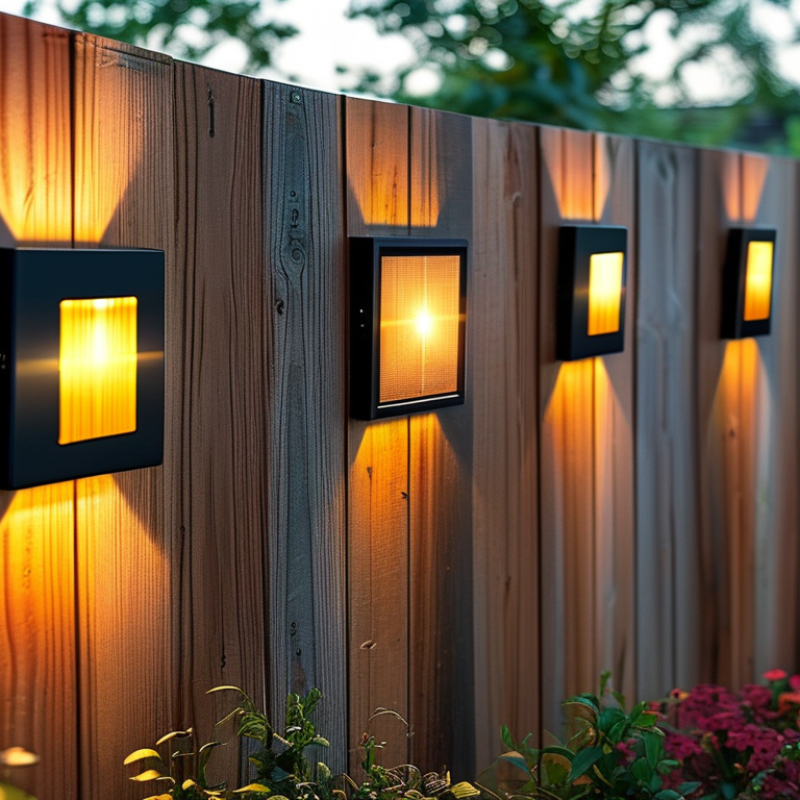
How to Choose the Best Solar Wall Light for Your Needs?

Understanding Your Lighting Needs: Key Factors to Consider

When selecting a solar wall light, understanding your lighting needs is crucial. Consider the area you wish to illuminate. Outdoor spaces vary in size and function. A small pathway may require less brightness than a large patio. Assessing these differences is essential for choosing the right intensity.

Choose lights that offer adjustable brightness settings. This flexibility lets you customize the light level for different occasions. Too much light can be overwhelming in intimate settings. In contrast, insufficient light may fail to provide safety in darker areas. Balance is key here.

Think about the solar charging capacity. Some lights charge quickly but may not last through the night. Others take longer to charge but offer extended illumination. Test different models to find one that meets your requirements. Remember to consider regional weather as well. Frequent cloudy days can impact charging efficiency.

Pay attention to build quality. Some solar lights are not designed for harsh weather conditions. Check reviews and community feedback for insights. Real user experiences can guide better decisions. Choose a reliable model that aligns with your specific outdoor needs.

Types of Solar Wall Lights: Overview of Available Options

When selecting a solar wall light, understanding the types available is crucial. Solar wall lights come in various designs and functionalities. For example, some focus on decorative aesthetics, while others prioritize security features. Wall lights equipped with motion sensors can provide safety and energy savings. According to the Solar Energy Industries Association, the market for solar lighting is projected to grow by over 17% annually, highlighting its increasing relevance.

Another option is solar wall lights with adjustable brightness settings. These lights cater to different needs and preferences. Some models offer warm LED light, enhancing ambiance in outdoor spaces, while others provide bright illumination for task-oriented areas. Research indicates that effective outdoor lighting not only improves safety but also enhances property value by up to 20%. However, the range of options can be overwhelming, and users may find it hard to determine the best fit for their situation.

Additionally, potential buyers should consider battery capacity and solar panel efficiency. Not all solar wall lights perform equally in diverse weather conditions. Some models may underperform during winter months. Data shows that at least 30% of consumers express dissatisfaction due to inadequate brightness or short battery life. Identifying customer reviews and expert evaluations can guide consumers toward informed choices. Understanding the nuances in solar wall light types helps ensure that you choose a product that meets your specific requirements.

Evaluating Brightness and Power Output for Optimal Performance

When selecting a solar wall light, brightness and power output are key factors for performance. Brightness is measured in lumens; a typical solar wall light ranges from 100 to 800 lumens. According to the U.S. Department of Energy, outdoor lighting should ideally provide at least 50 lumens per watt for efficient energy use. This means that a light with high lumens should consume less power while providing sufficient illumination.

Power output is equally essential. Solar lights usually operate with photovoltaic cells, which convert sunlight into energy. A high-quality solar wall light should have a solar panel capable of producing at least 5-10 watts during peak sunlight hours. Studies show that inadequate power generation can lead to dimmer lights and shorter working hours at night. Users often overlook battery quality; a durable lithium battery can hold a charge longer and perform better in low-light conditions.

However, brightness and power output alone do not guarantee satisfaction. It’s important to assess the layout of your space. Strategically placing lights can enhance their effectiveness. A too-bright light might create harsh shadows or glare. Conversely, insufficient brightness can make areas feel unsafe. Striking the right balance between these elements often requires trial and feedback from actual usage.

Assessing Durability and Weather Resistance for Outdoor Use

When choosing solar wall lights, durability and weather resistance are critical. A report from the Solar Energy Industries Association highlights that outdoor lighting must withstand harsh elements like rain, snow, and extreme temperatures. Many solar lights offer varying degrees of protection. It is essential to look for lights with an IP rating of at least 65, indicating strong resistance to dust and water. Products that do not meet this standard may fail in harsh conditions, leading to replacement costs.

While many solar lights use plastic materials for affordability, this can compromise durability. Metal fixtures, although often pricier, typically offer longer lifespans and better weather resistance. In one study, lights made from aluminum showed a 30% longer lifespan when exposed to severe weather compared to their plastic counterparts. Buyers should consider the trade-offs between cost and longevity.

Additionally, solar wall lights should have tempered glass for the panel. This feature is crucial for preventing damage from hail or falling debris. Some designs may look appealing but lack the built-in features to endure environmental challenges. Therefore, it’s vital to review specifications thoroughly and assess user reviews on longevity and durability to make an informed decision.

Durability and Weather Resistance Assessment for Solar Wall Lights

Finding the Right Style and Design to Complement Your Space

Choosing the right style and design for solar wall lights can be challenging. You want a solution that not only serves a functional purpose but also enhances your outdoor space. According to a 2022 market research report, 75% of homeowners consider aesthetics a key factor when selecting outdoor lighting options. This signifies a shift toward combining functionality with style.

When assessing designs, consider materials and finishes. Metal options tend to provide a modern look. On the other hand, rustic designs often use wood or soft color palettes, appealing to traditional tastes. The choice you make can either complement or clash with existing outdoor elements. In fact, 65% of consumers prefer lighting that complements their home’s architectural style.

Functionality shouldn't be overlooked. Solar wall lights come in various brightness levels. Research indicates that brighter options are best for safety, whereas softer lights create ambiance. Fluctuations in solar energy efficiency can affect performance. An average solar light can collect enough energy for 6-8 hours of illumination, but location and sunlight exposure play significant roles. At times, it might require trial and error to find the perfect light for your needs, which is part of the journey in creating a well-lit outdoor space.

FAQS

: How do I determine the right brightness for my outdoor space?

: Assess the area you wish to illuminate. Smaller paths need less brightness than larger patios.

Why are adjustable brightness settings important?

They let you customize light levels for different occasions. Too much light can feel overwhelming in intimate areas.

What should I consider about solar charging capacity?

Some lights charge quickly but may not last all night. Weather conditions impact charging efficiency too.

How important is build quality for solar lights?

It's crucial. Some lights don’t withstand harsh weather. Read reviews for guidance on durability and reliability.

What design factors should I consider for solar wall lights?

Think about materials and finishes. Metal offers a modern look while wood fits rustic styles.

How does the aesthetic of lighting affect my choices?

Many homeowners prioritize aesthetics. Choose lights that complement your home’s architectural style for best results.

Can solar lights provide sufficient safety and ambiance?

Yes, but brighter options are safer. Softer lights create ambiance. Finding balance may require some trial and error.

How long can solar lights typically illuminate areas?

Average lights can offer 6-8 hours of illumination, depending on location and sunlight exposure.

Is it common for people to struggle in finding the right solar light?

Yes, it often involves trial and error. Understanding your needs can be part of the journey.

What are the common mistakes in selecting solar wall lights?

Many overlook regional weather and light intensity needs. This can lead to poor performance and disappointment.

Conclusion

When selecting the best solar wall light for your needs, it's essential to first understand your specific lighting requirements. Consider factors such as the area you want to illuminate and the purpose of the lighting, whether for security, decoration, or functionality. Understanding these needs will guide you towards the appropriate type of solar wall light that suits your space.

There are various types of solar wall lights available, each offering different brightness levels and power outputs. It's crucial to evaluate these aspects to ensure optimal performance. Additionally, assessing the durability and weather resistance of the lights is imperative for outdoor applications, as they will be exposed to the elements. Finally, finding a solar wall light that complements your space's style and design will enhance the overall aesthetic while serving its practical purpose.


Mason

Mason

Mason is a seasoned marketing professional with a deep expertise in the company's offerings and a passion for driving brand awareness. With a strong background in digital marketing strategies, he has an innate ability to connect with diverse audiences and effectively communicate product benefits.......